I Spent a Decade Starting Over.
Monday, 2:45 a.m. Sitting in my truck with the lunch cooler on the passenger seat and coffee in a steel cup that was hot when I left the house. Still dark. Nothing but the glow off the gauges and another long day running an asphalt grinder ahead of me.
I’d done this for years. Up before most people went to bed. Thirteen, fourteen, sometimes sixteen-hour days, six days a week for months at a time.
And behind my seat was a gym bag. It had been there all week. Eight hundred miles riding around with me, and it never got unzipped.
Eight hundred miles. Never got unzipped.
I remember sitting there thinking the same thing I’d thought a hundred times before. This week is going to be different. I’m getting back in shape. I’m going to eat right. I’m going to quit wasting my nights and start making progress on my business. No more excuses. This time, I’m actually going to do it.
And I meant every word. That was the frustrating part. I wasn’t lying to myself when I made those promises. I genuinely wanted to change. I’d just been making the same promises for years.
If you’d asked me back then why I couldn’t seem to get where I wanted to go, I’d have had a convincing list. I worked too much. I didn’t have enough time. I needed to save more money, find the right business, make a better plan. Some of those were real obstacles. But they weren’t the whole story.
Because when I look back at those years, I can see something a hell of a lot more painful.
I was working harder than almost anybody I knew, and I wasn’t building the life I actually wanted.
I was building somebody else’s business. And every Monday, I was telling myself I’d finally start building mine.
The Rollercoaster
I grew up the fat kid. Somewhere in my teenage years I decided I wasn’t going to stay that way, so I went all in: hours in the gym, strict diets, hard training. And it worked. I got in shape.
Then life happened. Work got busy and the days got longer. I’d get home exhausted, grab something through a drive-thru, have a few beers, and tell myself I’d get back on track tomorrow. One missed workout became a missed week. One bad week became a bad month. And eventually I’d look in the mirror and realize I’d fallen right back to where I started.
So what did I do? I set a bigger goal. I’d get pissed off enough at myself to go all in again. Train harder, eat stricter, push further. And I’d get results. Sometimes incredible results.
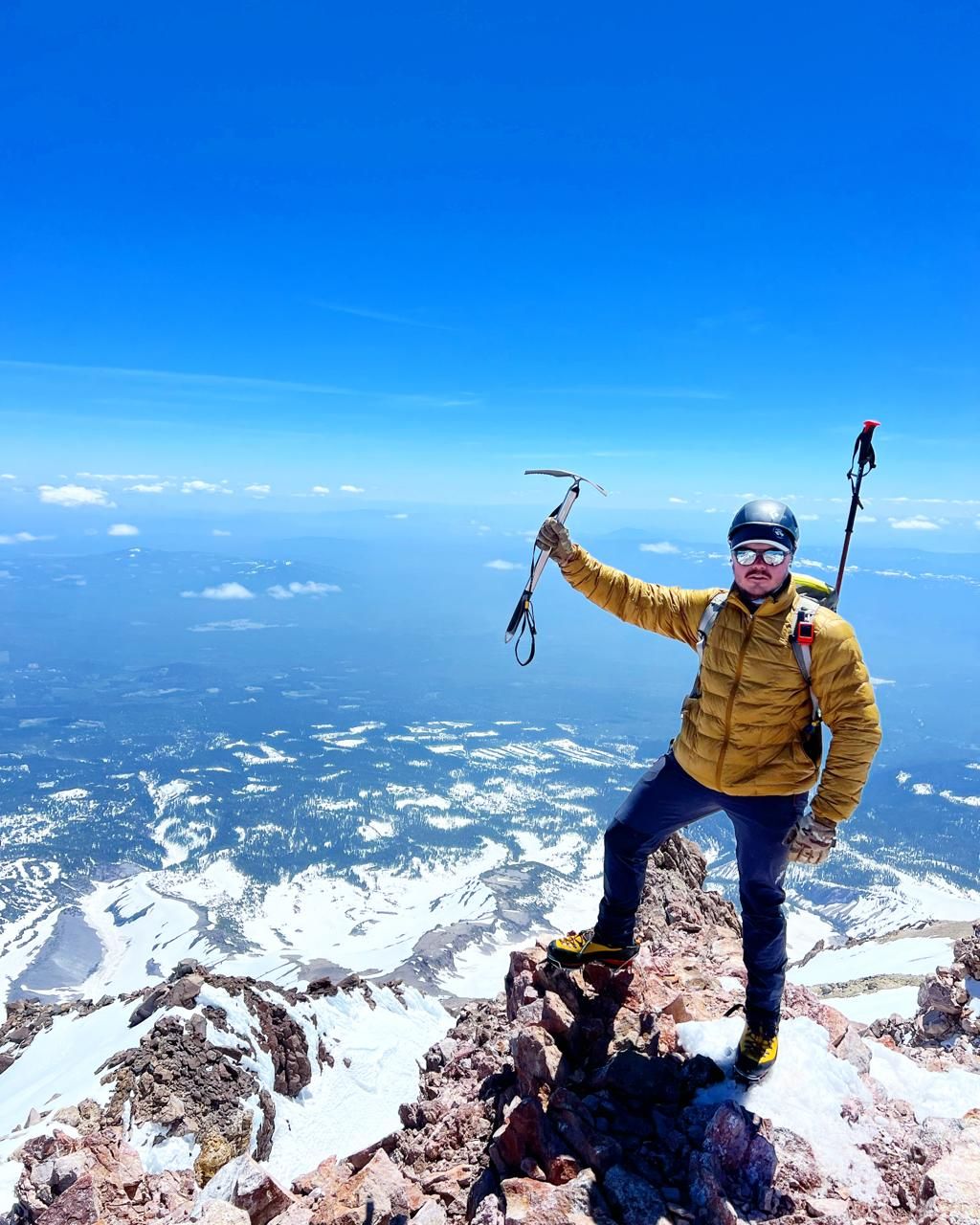
I summited Rainier twice. I summited Shasta twice and many others. I ran distances I’d once thought were impossible, and I built myself into the kind of shape I used to dream about. On March 9, 2024, I finished a 50K trail ultramarathon. Thirty-one miles through the mountains.

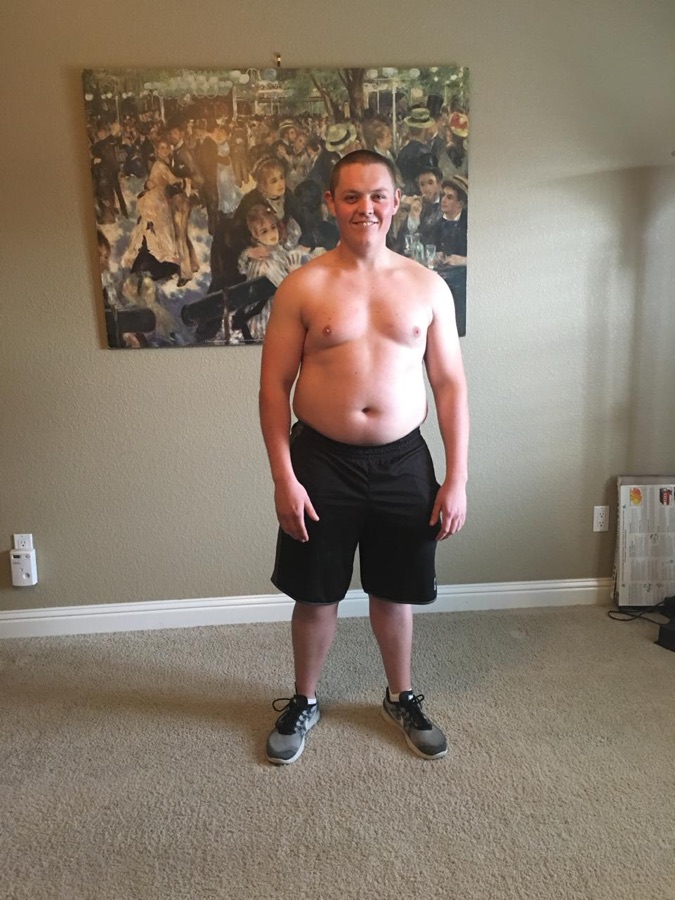
Less than two years later, on January 18, 2026, I took a picture in my bathroom mirror. Heavy again. Back to that Pillsbury Doughboy-looking MFer I’d spent so many years trying to leave behind.
I knew it before I took the picture. The jeans in the closet I’d stopped reaching for. The shirts that didn’t fit right. The mirror I avoided.
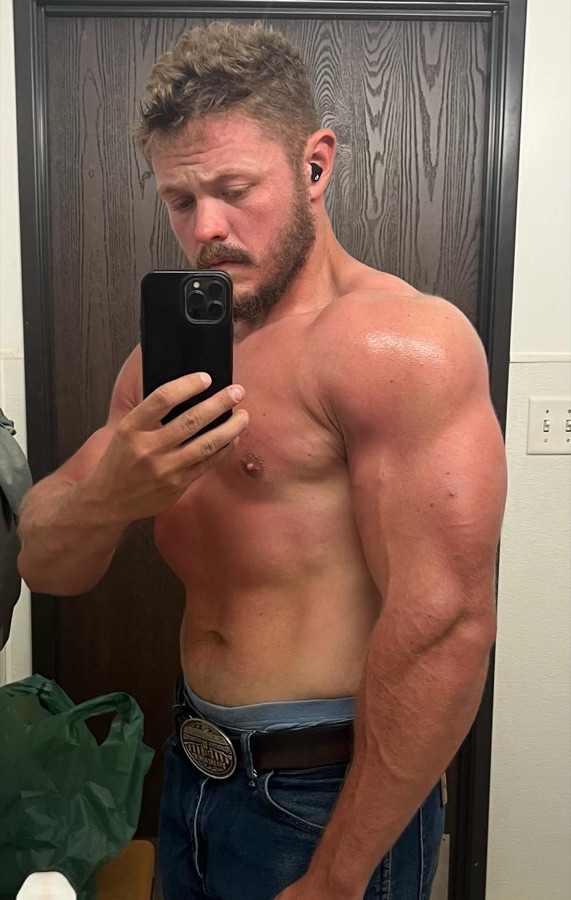

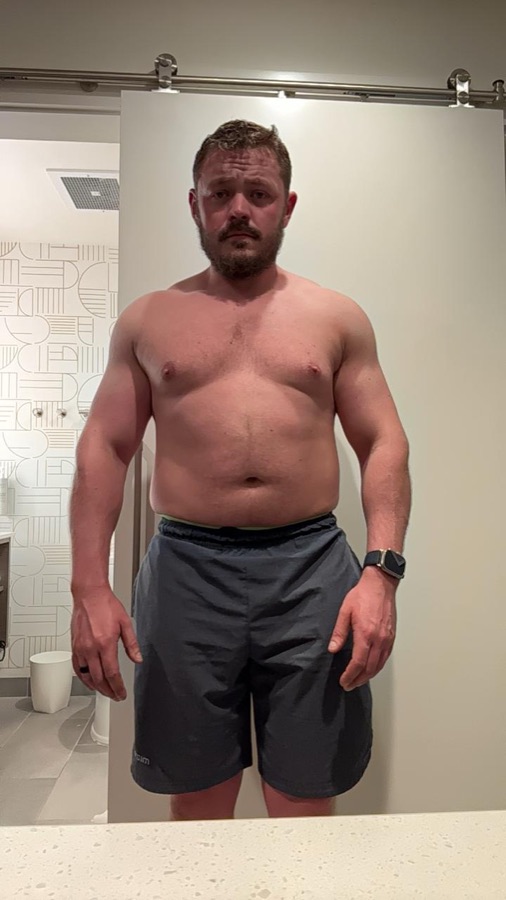
And here’s what bothered me more than the weight. I knew I could do hard things. I’d proved it. I could run 31 miles through the mountains, train for months, work sixteen-hour days, and push myself further than most people are willing to go.
So why the hell couldn’t I stay consistent?
The Same Thing Was Happening in My Business.
Over twelve years, I started five LLCs. Five times I picked a name, filed the paperwork, and told myself this is the one. This is the business that gets me out of that truck.
I read the books. Listened to the podcasts. Bought the courses. Paid for coaching. And every time I learned something new, I’d get fired up and convince myself I’d finally found the missing piece.
Then the excitement wore off and the work got uncomfortable. The calls I didn’t want to make. The conversations I was afraid to have. The things I could put off because nobody was standing over my shoulder waiting for them. I’d get home after a long day and tell myself I’d work on the business tomorrow. Tomorrow became the weekend. The weekend became next month. And next month became another business idea, another course, another fresh start.
Five LLCs. None of them got me out of the truck.
Eventually I started asking myself a question that scared the hell out of me. What if I don’t actually have what it takes?
I’d watch other guys my age building businesses, making money, traveling, living the life I wanted, and I’d think: if they can do it, why can’t I? I knew I wasn’t lazy. I knew I wasn’t stupid. I knew I was willing to work. But my results weren’t matching what I believed I was capable of, and after enough years of that, you start wondering if maybe you’re just full of shit.
If you’ve ever felt that way, I know exactly how frustrating it is. Because the hardest part wasn’t failing. It was starting to lose belief in the man I thought I was.
I Got Really Good at Starting Over.
Looking back, the pattern is obvious. I’d hit a point where I was disgusted with where I was. I’d set a massive goal, get motivated, and go all in, and for a while I’d be unstoppable. Then life would get busy. I’d miss a day, then another, and instead of adjusting I’d slowly abandon the whole thing until enough pain built up to start the cycle again.
I was gripping the wheel as hard as I could and trying to force my way to a finish line. And it worked, for a while. That kind of discipline got me up mountains and through an ultramarathon. But it never taught me how to keep the progress once the finish line was behind me. I was always chasing the next high: a bigger accomplishment, a harder challenge, another transformation.
Every time I climbed the mountain, I fell all the way back down. Not partway. Back to the same habits, the same excuses, the same starting point. Then I’d fight my way back up again. Year after year, for the better part of a decade.
Imagine what those ten years could have looked like if every time I made progress, I’d actually kept some of it. If each year built on the last instead of starting from scratch. If my worst weeks today were still better than my best weeks five years ago.
That’s what I was missing. Not bigger goals or harder challenges or another motivational speech. I needed a way to make progress stick, and a way to make sure one bad Wednesday didn’t turn into another wasted year.
Because that’s how it always happened. Not with some dramatic decision to quit. With a Wednesday. Monday, I meant it. Tuesday, I was still going. Wednesday, a job ran long and I got home exhausted. Thursday was the drive-thru and a six-pack. Friday, I figured I’d start fresh Monday. And there I was again.
The Problem Wasn’t That I Couldn’t Work Hard. It Was That I Didn’t Know How to Make My Progress Last.
For twelve years I showed up for another man’s company. Before sunrise, in the rain, exhausted, when I didn’t feel like it. Because there was a crew counting on me, a start time, and a standard I was expected to meet.
But when it came to my own goals, my health, my business, my future, there was nobody checking. Nobody who knew if I skipped. Nobody who noticed when I disappeared for three weeks. And there was always a perfectly reasonable explanation for why I’d get back to it tomorrow.
I had accountability for my paycheck and almost none for my own future.
That’s when I started recognizing what I now call the quiet miss.
The workout you skip and nobody knows. The business call you put off and nobody asks about. The promise you make on Sunday that’s gone by Wednesday. Not because you decided your goals didn’t matter, but because there was nothing to catch the miss before it became a pattern.
One missed day doesn’t destroy your progress. But when nobody notices, nobody reviews it, and nothing changes, that one day can quietly turn into a month, and then a year.
I didn’t need more pressure to be perfect. I needed a better way to respond when I wasn’t. Standards I could actually keep. A way to track whether I followed through. Men who’d notice when I went quiet. And a process for correcting course before I fell all the way back to zero.
But Here’s the Part That’s Bigger Than Discipline.
I don’t believe we’re here just to wake up, go to work, pay bills, watch TV, and eventually die.
I believe men are supposed to build things. Create, solve problems, lead, provide, take risks. Push into situations that demand more of us. Climb mountains, start businesses, raise families, and build something meaningful that outlives us.
Not every man wants the same life. Some want to build companies. Some want to lead in their careers. Some want to raise incredible families, become stronger husbands and fathers, or prove to themselves they can do something they once thought was impossible. But most men have something inside them that wants to grow, and when you spend years ignoring that part of yourself, it eats at you.
You can make good money, have a decent job, own a nice truck, and still sit there wondering: is this really all I’m going to do with my life?
That’s where I was. I had a career that paid well and that I’d worked hard to build. But after twelve years, I couldn’t shake the feeling that I was trading away the very life I was working so hard to create. And the older I got, the louder that feeling became. Because you don’t get those years back. The time you spend waiting for the right moment is still your life, and no amount of money buys back a decade.
I didn’t want to wake up at sixty and realize I’d spent my whole life capable of more but never having the courage to find out. I wanted a life I didn’t need to escape from. Freedom. Adventure. Meaning. Men I respected around me. A body that could carry me up another mountain. Work that mattered. And the ability to look in the mirror and know I was doing what I said I would do.
That life wasn’t going to come from another burst of motivation. I had to become the man capable of building it.
January 2026. I Quit.
Twelve years in the Operating Engineers, making the kind of money most people would never walk away from. And I walked away.
Not because I’d built some wildly successful business or figured everything out. I quit because the pain of staying the same had finally become greater than the fear of finding out what I was capable of. I knew another year of telling myself someday wasn’t going to get me there. So I bet on myself and went all in on building my real estate business.
And suddenly everything got very real. I had jumped out of the plane, and now I had to build the parachute before I hit the ground.
No foreman telling me where to be. No paycheck coming Friday. No crew waiting on me. Just me, my decisions, and the consequences of whether I followed through. The same man who’d spent years struggling to execute on his own goals was now responsible for building an entirely new future.
I couldn’t keep having three incredible weeks followed by three months of nothing. I couldn’t keep changing direction every time something got uncomfortable. I couldn’t keep depending on another massive goal to drag me out of another hole. I needed to become consistent, not just when I was fired up, but especially when things got hard.
That’s when The Command Project stopped being an idea and became the way I had to live.
I Stopped Trying to Raise My Ceiling. I Started Raising My Floor.
For years, I measured growth by my biggest accomplishments. How much weight I lost. How far I ran. What mountain I climbed. How ambitious my next business idea was.
There’s nothing wrong with big goals. I still believe men should chase things that scare them. But I finally realized the most important measure of growth wasn’t how high I could climb when everything was going right. It was how far I fell when everything went wrong.
Because life is going to happen. You’re going to get tired. Work is going to run late. Your kids are going to need you. You’re going to get sick, miss workouts, and make mistakes. And if your entire plan depends on being the most motivated, disciplined version of yourself every single day, that plan is going to break. Mine did, over and over.
So I started building around a different principle. Raise the floor.
Instead of asking how much can I accomplish when I’m going all in?, I started asking: What’s the standard I can keep even when life gets hard? How do I make sure one miss stays one miss? How do I catch myself slipping before I’m three months into another spiral? How do I surround myself with men who won’t let me disappear? And how do I make sure the progress I build this year becomes the foundation for next year?
But raising my floor took more than better habits and holding myself accountable. I also had to start looking at why I kept sabotaging my own progress in the first place. Why I’d avoid the things I knew I needed to do. Why I’d change direction the moment things got uncomfortable. Why I’d work so hard to achieve something, only to slowly slide back into the same behaviors.
I had to stop treating every missed commitment like an isolated discipline problem and start dealing with the patterns underneath it. Because you can build all the systems in the world, but if you never address what’s causing you to undermine yourself, you’ll keep finding ways around them. I had to work on the man behind the behavior, not just the behavior itself.
Not another temporary high. A new baseline. A higher floor.
The goal isn’t to never fall. The goal is a life where falling doesn’t mean starting over from zero. You get back up, you review what happened, you adjust, and you keep building. Over time, your floor gets higher. That’s how real growth compounds.
So I started addressing the patterns that had kept me stuck, building standards I could actually sustain, and creating systems that made it harder to quietly abandon my commitments. And I realized something else. I shouldn’t have had to figure all of this out alone.
Neither should you. That’s why I built The Command Project Brotherhood.